



SAL's operating model spans three interlocking divisions that sit at different points in the movement and management of the logistics value chain. Each division is at a different stage of maturity and is exposed to distinct market conditions and growth drivers. SAL’s established air cargo ground handling activities are primarily influenced by the air traffic volumes, cargo mix, and airport terminals capacity. Its expanding logistics business is being shaped by customer outsourcing trends, trade flows, and the availability of transport and warehousing capacity beyond the airport. The development of the SAL logistics zone in Riyadh responds to a longer-term operating environment, linked to structural supply–demand dynamics in Class A warehousing and logistics infrastructure.
Saudi Air Cargo Concentrated in Two Global Gateways
Logistics Sector Scaling with Economic Diversification
Warehouse Capacity Tight as Demand Accelerates
86%
of Saudi Arabia's air cargo flows through
Riyadh and Jeddah hubs
~1.2 million tonnes
air cargo handled across the Kingdom
in 2024
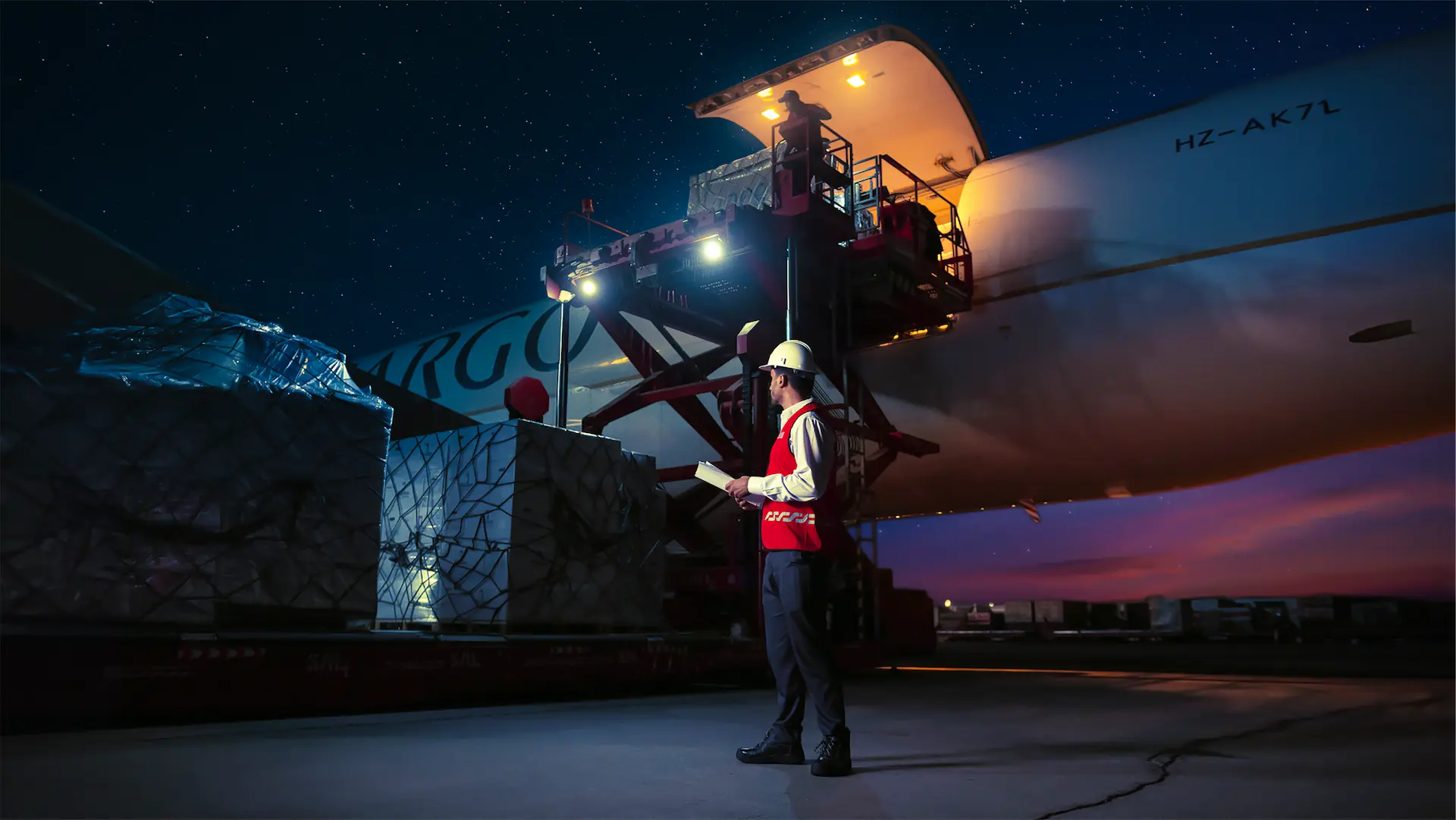
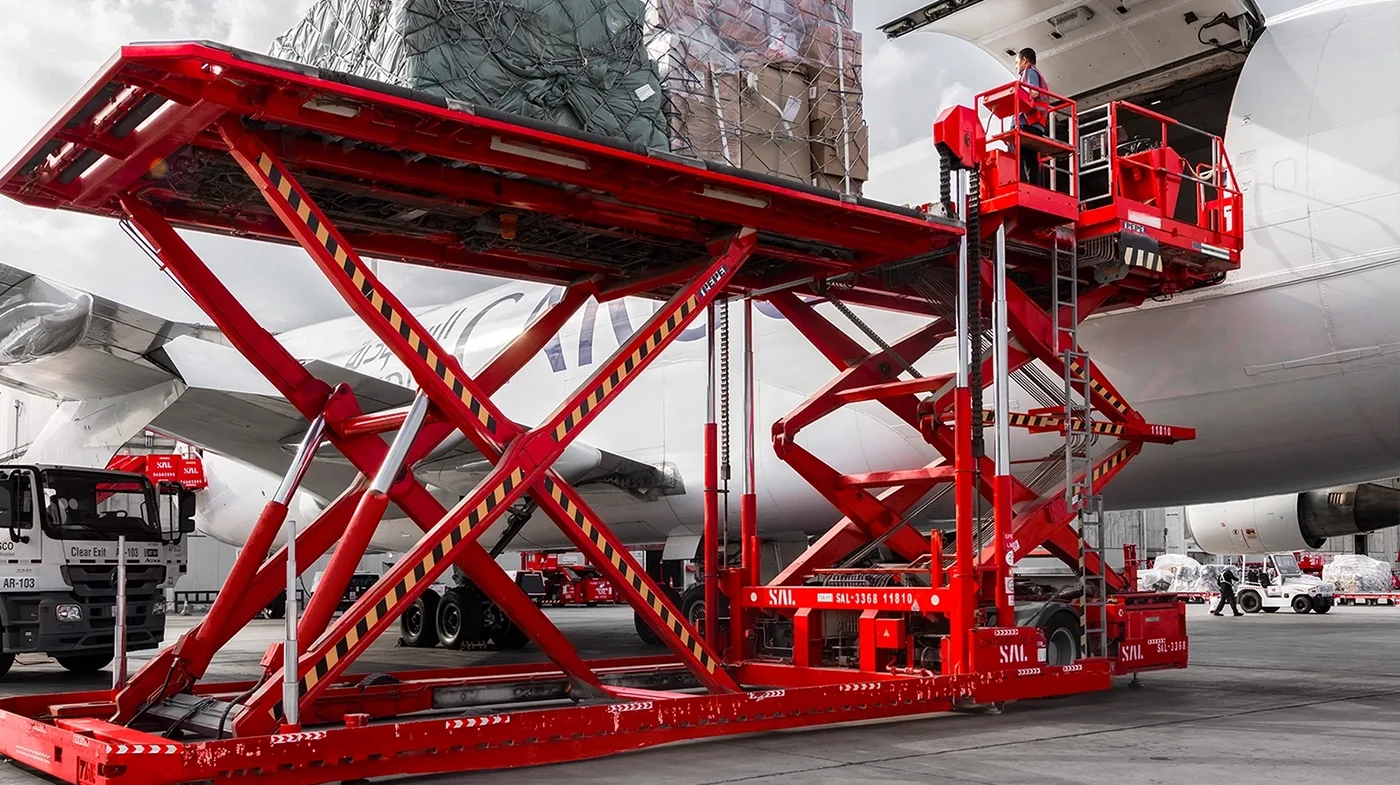
Everything starts with cargo flows through Saudi airports. The volume of cargo that enters, leaves, or passes through Saudi airports sets the baseline level of demand for SAL’s services. Changes in air cargo volumes, cargo mix, and routing patterns translate directly into demand for airport handling capacity, downstream logistics services, and supporting logistics infrastructure.
These air cargo flows reflect the broader scale and composition of the Kingdom’s trade activity and are shaped by three interrelated dynamics: imports, exports, and transit. Import volumes are closely linked to domestic consumption and service demand, including the growth of e-commerce and rising requirements for time-sensitive goods across sectors such as retail, healthcare, and food. Tourism growth and mega-events also contribute to short-term peaks in inbound cargo flows.
Export volumes are linked to economic diversification and higher-value manufacturing, with outbound cargo increasingly including goods that favor air transport due to their value, handling requirements, or delivery timelines. Transit volumes are influenced by Saudi Arabia’s strategic geographic position between Asia, Europe, and Africa, as well as sustained investment in airport infrastructure and dedicated cargo facilities that support hub-and-spoke routing and transfer activity.
Saudi Arabia’s air cargo operations are primarily concentrated at King Abdulaziz International Airport (KAIA) in Jeddah and King Khalid International Airport (KKIA) in Riyadh, which together handle nearly 86% of the Kingdom’s total air cargo throughput, according to the General Authority of Civil Aviation (GACA).
Saudi Arabia’s international trade value grew at a compound annual growth rate of 4% between 2015 and 2024, supported by the continued development of the Kingdom’s cargo and logistics ecosystem. While sea transport remains the dominant mode for non-oil trade value, air transport represents the second-largest mode, accounting for 24% of non-oil international trade value, with Riyadh, Jeddah, and Dammam serving as the Kingdom’s primary international cargo hubs.
Recent market performance has highlighted both the scale and the volatility of air cargo flows. In 2024, and according to the General Authority of Civil Aviation (GACA), Saudi Arabia’s air cargo market recorded growth of approximately 34% year-on-year, reaching around 1.2 million tonnes. This growth partly reflects a temporary shift of freight from sea to air transport amid global shipping disruptions, alongside recovering trade activity and continued e-commerce expansion.
While such conditions can amplify short-term fluctuations, the medium- to long-term outlook for Saudi Arabia’s air cargo sector remains structurally positive. According to the ALG Market Study in 2023, total air cargo volumes in Saudi Arabia are projected to reach approximately 2.3 million tonnes by 2030, representing a compound annual growth rate of around 11% between 2025 and 2030.
This sectoral expansion aligns with Saudi Vision 2030’s National Transport and Logistics Strategy (NTLS), which aims to transform the Kingdom into a leading global logistics hub connecting Asia, Africa, and Europe through multimodal integration and enhanced cargo handling capacity across major airports and logistics zones.
X 70 billion
estimated size of the Saudi logistics market
6% → 10%
logistics share of GDP targeted by 2030
As these volumes move beyond the airport perimeter, they translate into demand for transport, warehousing, and other value-added logistics services. Saudi Arabia’s logistics sector is estimated to represent an addressable market of around X 70 billion, with its contribution to GDP expected to rise from approximately 6% to 10% by 2030 as trade volumes expand and logistics activity becomes more formalized.
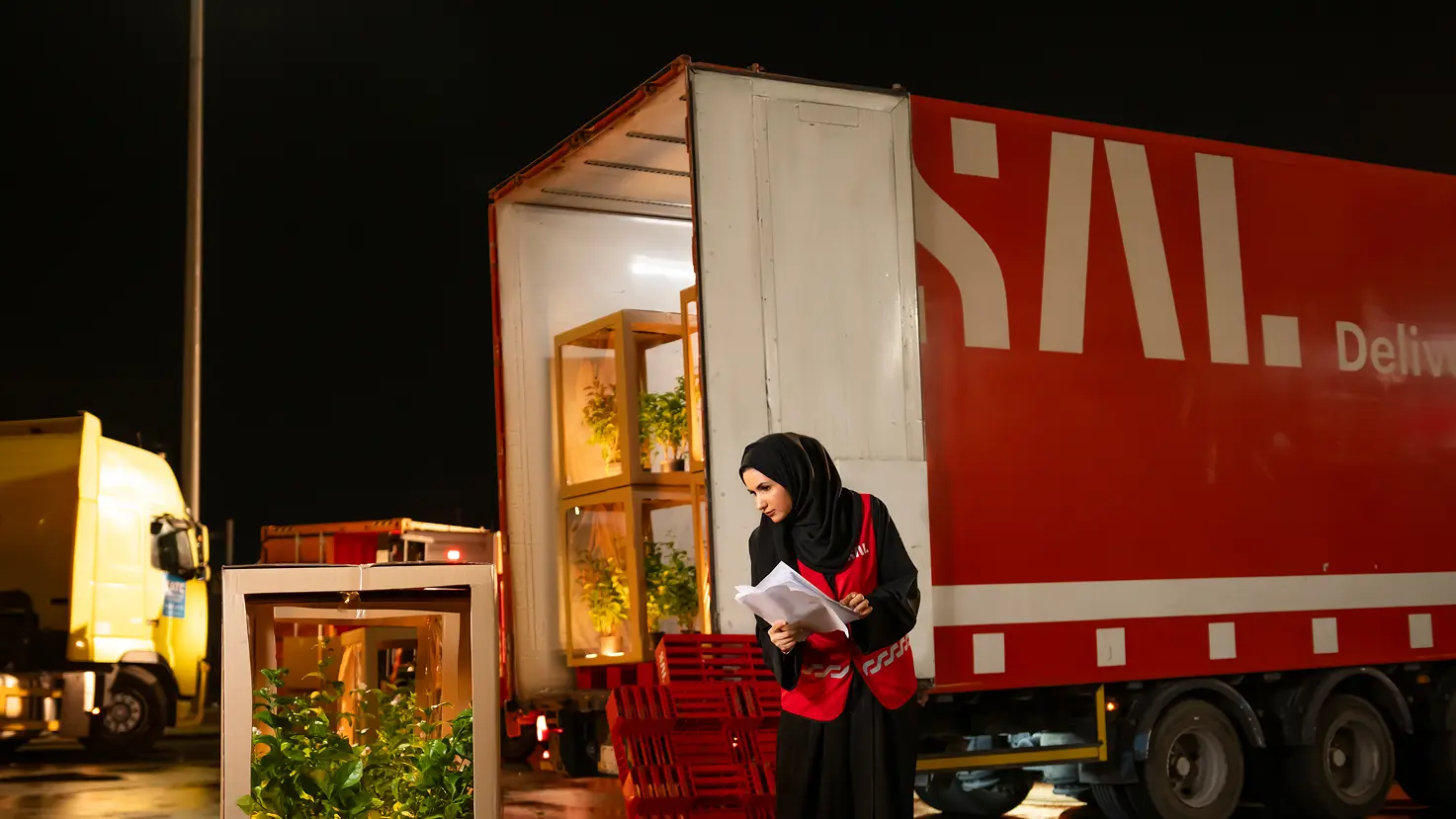
Importantly, demand growth is not limited to pure freight movement. It also reflects increasing requirements for integrated services such as freight management and contract logistics. Shifts in cargo mix are also a factor; growth in perishables, pharmaceuticals, and other time critical and regulated goods increases demand for temperature-controlled handling, specialized facilities, and faster end-to-end logistics.
Overall, market estimates anticipate around 450,000 tonnes of additional logistics demand over the coming years, alongside growth in freight movement and outsourced logistics services.
(Sources: Saudi Logistics Consulting and Saudi Ministry of Transport)
97% occupancy
warehouse utilization across key logistics markets
115 million sqm
projected warehouse demand by 2030
The expansion of logistics activity is occurring within the context of tight warehousing and distribution center supply. Currently, market indicators point to limited slack, with warehouse occupancy estimated at around 97%, and a large share of warehousing capacity still operated in-house rather than through third-party providers.
Industry estimates indicate that warehousing demand is expected to increase from around 87 million square meters in 2023 to approximately 115 million square meters by 2030, even after accounting for planned capacity additions under the Logistics Zones Master Plan. Despite these additions, a supply gap of roughly 9.6 million square meters is projected, with around 70% of this gap concentrated in Riyadh, Jeddah, and Dammam, the Kingdom’s primary logistics and air cargo hubs. This combination of rising demand, geographic concentration, and constrained supply highlights the structural nature of the warehousing shortage.
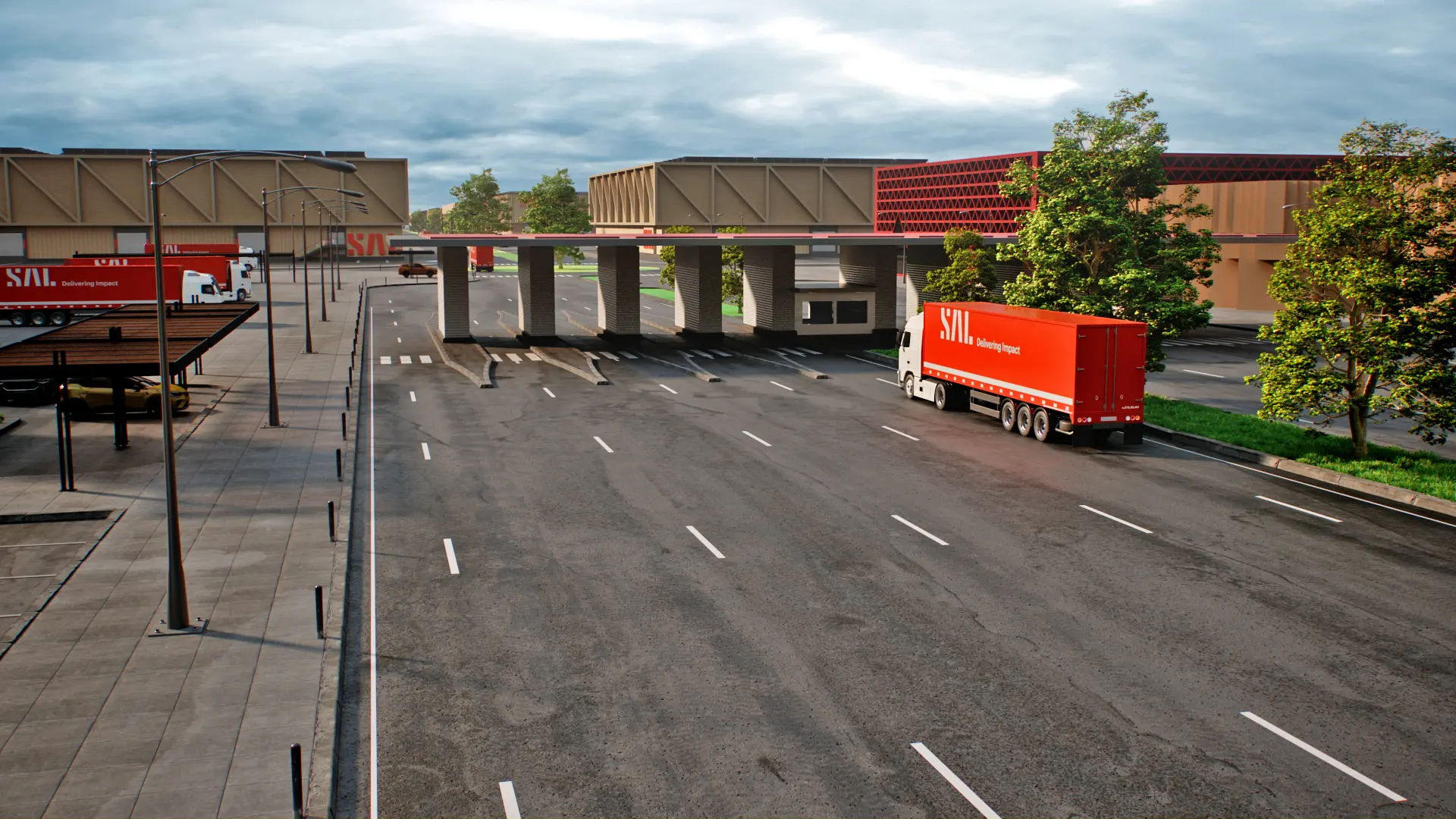
Leveraging this unmet demand, SAL has accelerated its expansion plans by securing large-scale land plots and developing advanced logistics zones in high-growth areas such as northern Riyadh. This positions the Company to directly capture the structural gap by expanding its warehousing footprint, enhancing market share, and supporting long-term revenue growth.
The growth trajectory of the sector sits within a broader national policy framework, including the National Transport and Logistics Strategy (NTLS) and the National Industrial Development and Logistics Program (NIDLP), which identify air cargo and logistics infrastructure as key priorities within the Kingdom’s economic diversification agenda. As air cargo volumes increase and logistics activity scales, access to suitable logistics and warehousing infrastructure becomes increasingly important, highlighting the long-term headroom for investment in this area.
This year, SAL announced the signing of a final agreement with Sela Company to lease 1.5 million square meters of land in Falcon City, north of Riyadh, for the development and operation of a logistics zone. The agreement covers a long-term land lease of 30 years, extendable by an additional 15 years, with an annual lease rate of X 16 per square meter and a 1.5% annual inflation adjustment following the grace period. The total investment for the planning, development, and activation of the logistics zone is estimated at around X 4.1 billion.
According to SAL’s financing plan, the project will be funded through a dedicated Special Purpose Vehicle (SPV), which will serve as the platform for raising and structuring the project’s capital. The structure is designed to be non-dilutive, meaning that the equity portion will be injected at the SPV level without issuing new shares at the parent-company level, thereby preserving existing shareholder ownership.
2026 Market
Conditions to Watch

Competition
Potential for pricing pressure as capabilities and capacity expand across the region.
Customer needs
Continued shift towards integrated, time-critical, and specialized services.
Supply chain volatility
Ongoing disruption risk may drive short-term volume swings and planning uncertainty.
Regulatory direction
Evolving requirements may raise compliance and service standards across the sector.
Digital resilience
Greater reliance on data and systems increases the importance of service continuity and cybersecurity.