


Scaling SAL:
Delivering Impact.
Driving Growth
The year 2025 marks a defining phase in SAL’s evolution - a year shaped by disciplined expansion, operational scale, and sustained value creation.
Read More


Chairman's
Statement
Scaling SAL to Strengthen
Saudi Arabia's Position in
Global Logistics

X 1,708 million
Revenue
delivered in
2025
CEO's
Message
Building Saudi Arabia’s
National Logistics Champion
for a Connected Global
Economy

X 697.9 million
Net profit in
2025
SAL at a
Glance
Backbone of the Kingdom’s air cargo and trade infrastructure
Integrated platform spanning handling, logistics, and zones
Enabler of trade, connectivity, and economic diversification

19
Airports
Nationwide

~1.0m
tonnes
Cargo
Handled

+200
Customers

+2,700
Total
Workforce

X 5.2
billion
Approved
Capex Plan
(5 Years)

~92%
Saudization*
* Note: Excludes outsourced manpower labor/contractors
Market
Overview
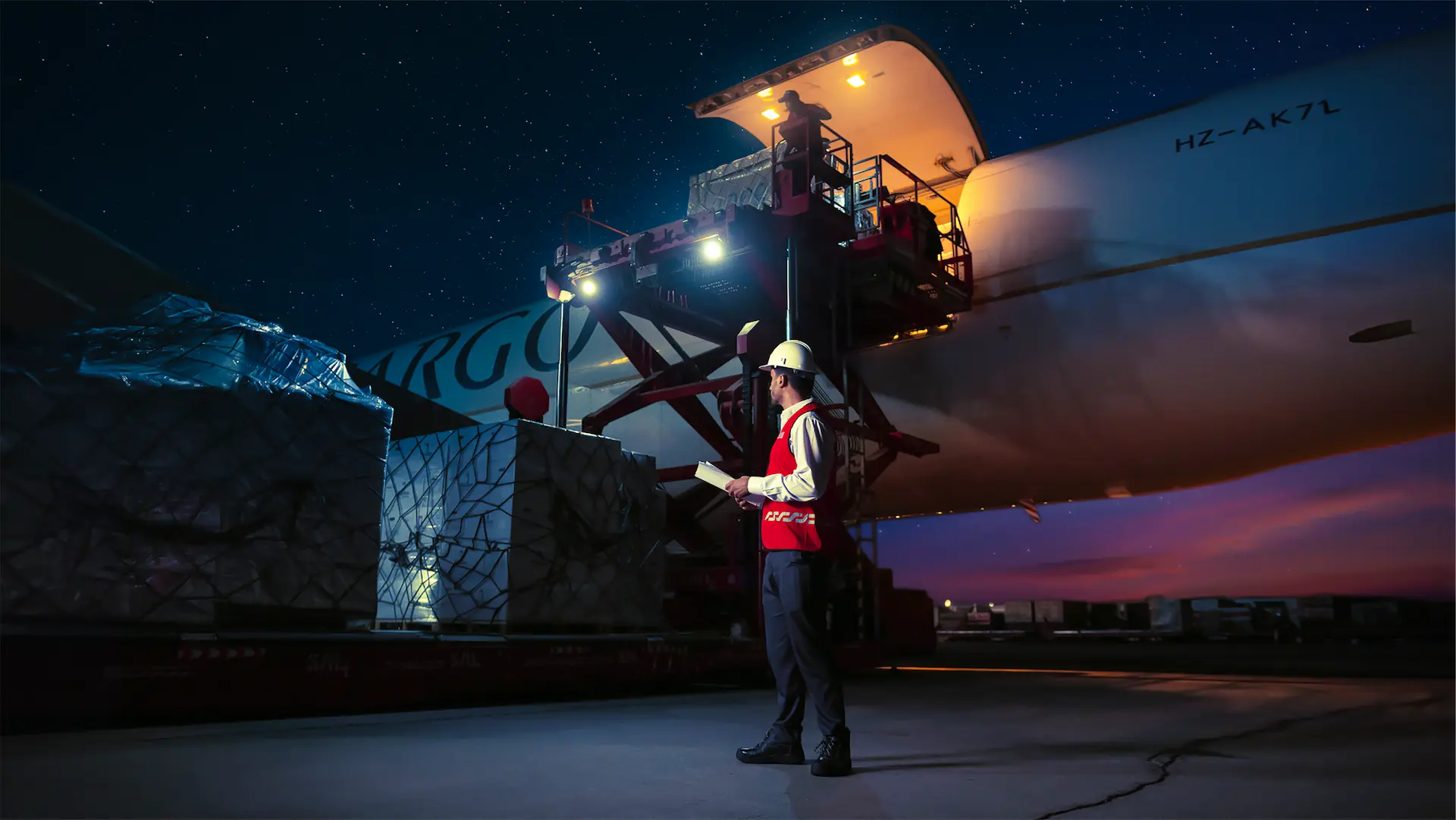
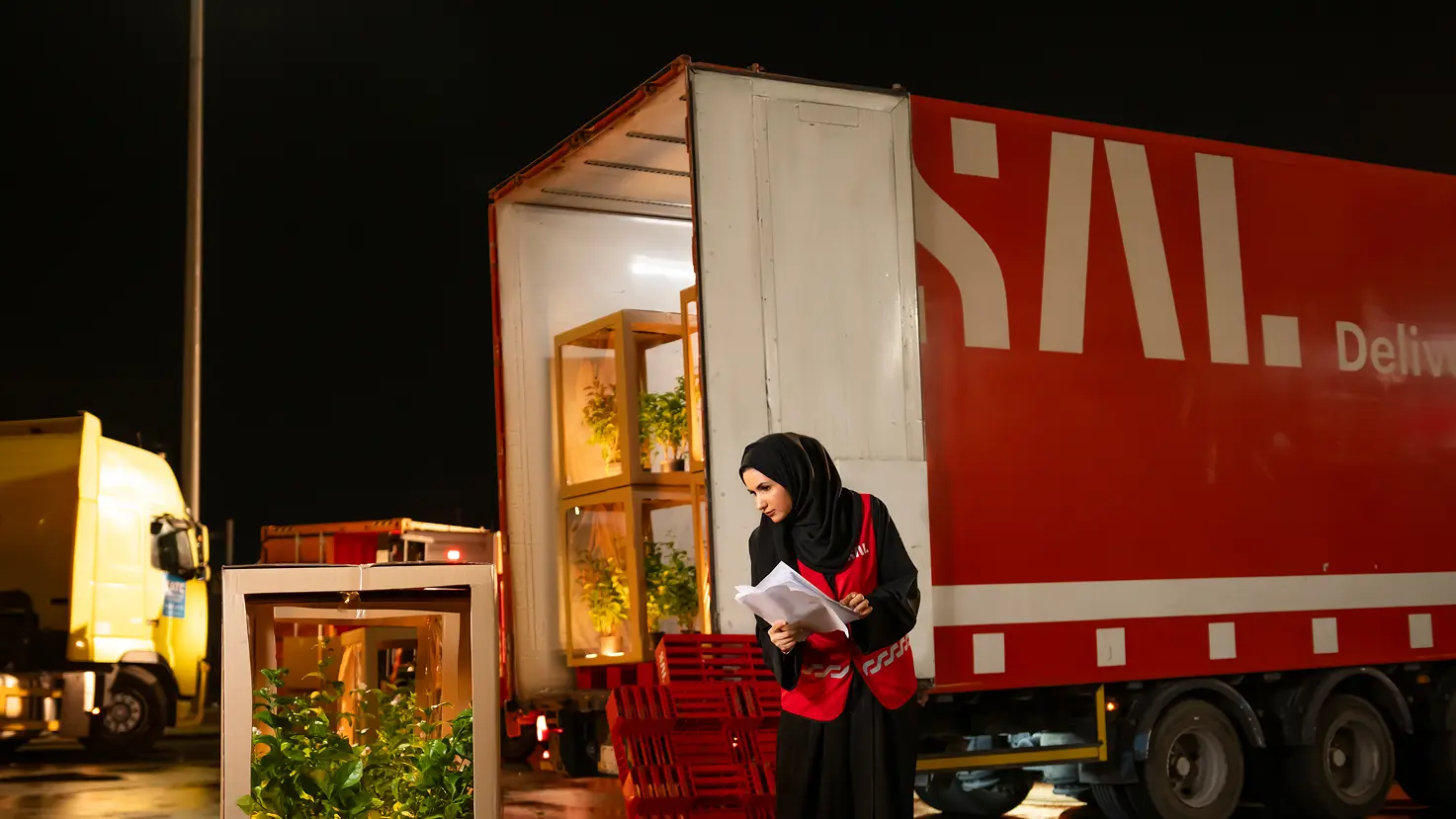
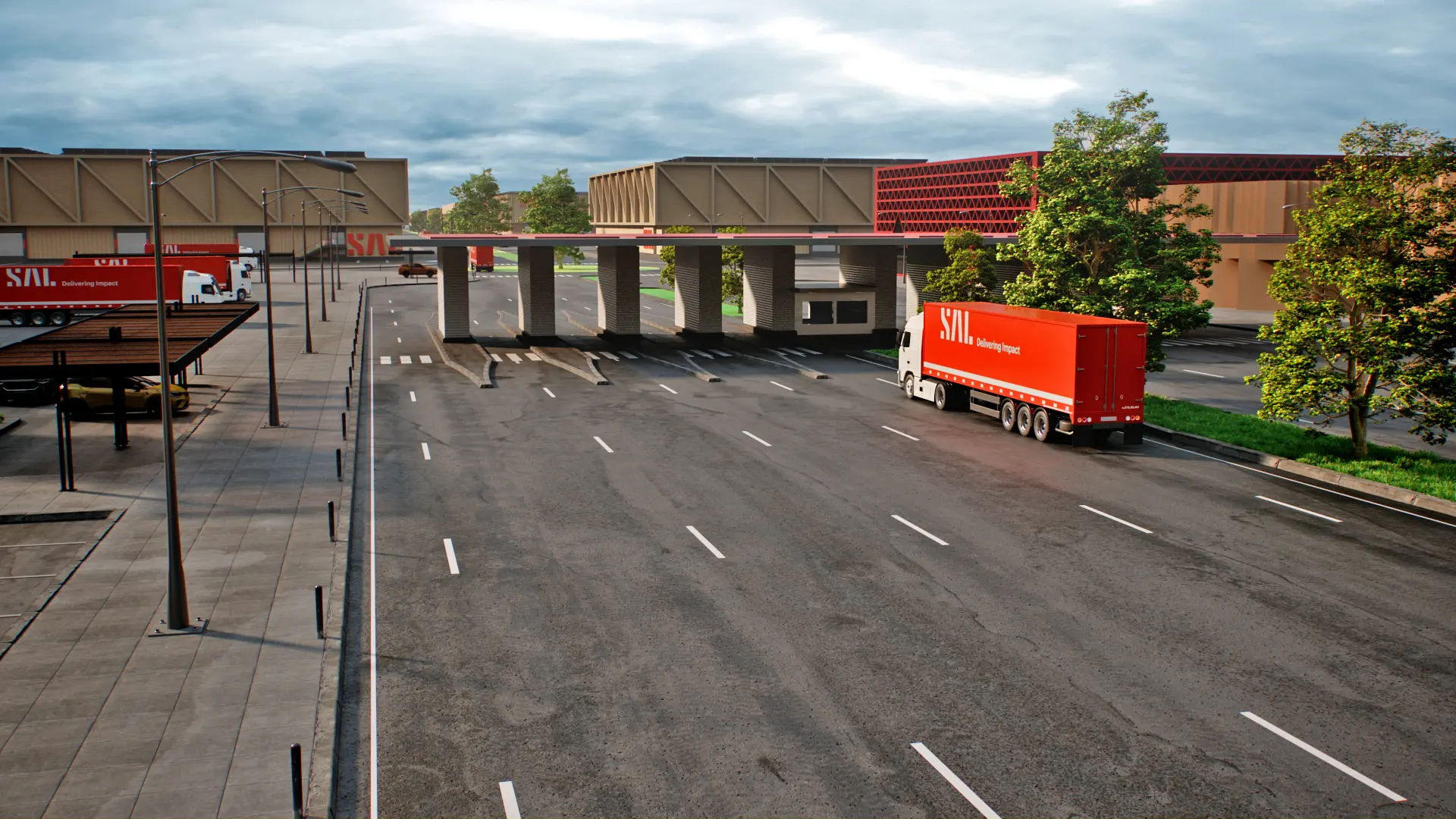
Saudi Air Cargo Concentrated in Two Global Gateways
Logistics Sector Scaling with Economic Diversification
Warehouse Capacity Tight as Demand Accelerates
86%
of Saudi Arabia's air cargo flows through
Riyadh and Jeddah hubs
~1.2 million tonnes
air cargo handled across the Kingdom in 2024
X 70 billion
estimated size of the Saudi logistics market
6% → 10%
logistics share of GDP targeted by 2030
97% occupancy
warehouse utilization across key logistics markets
115 million sqm
projected warehouse demand by 2030

2030 Targets
Ambition, clearly framed


2030 Ambition: Three Dimensions
Scale & Footprint
2.0 million tonnes Air Cargo Handled
Logistics Footprint 8x expansions vs current platform
Logistics Zone Contribution by 2030 X 400 million revenue
Financial Trajectory
X 4.1 billion Consolidated Revenues by 2030
16% Revenue CAGR (2024-2030)
40% Minimum EBITDA Margin
Capital Management
X 5.2 billion Total CAPEX (2024-2030)
3.0x – 4.0x Net Debt/EBITDA Leverage Ratio