




Building the Foundations for Scalable Growth
SAL’s infrastructure strategy is designed as a national operating platform, not a collection of isolated assets. Across Cargo Ground Handling, Logistics, and SAL Logistics Zone, capital deployment is structured to expand capacity, enhance efficiency, and support long-term earnings diversification. SAL’s physical infrastructure underpins the delivery of cargo handling and logistics services across the Kingdom. During the year, the focus was on ensuring that existing infrastructure continued to support operational performance at scale, while progressing capacity enhancements and development programs that build readiness for growth across Cargo Ground Handling, Logistics and Logistics Zones.
Between now and 2030, SAL plans to allocate approximately X 5.2 billion in capital expenditure across core operations, growth platforms, and transformation initiatives. This investment program is phased, demand-led, and aligned with clear operational and leasing milestones, ensuring that capacity expansion remains disciplined and value-accretive.
Infrastructure is therefore not viewed simply as physical expansion; it is the foundation enabling SAL’s next phase of scalable growth.

Cargo Ground Handling Infrastructure
Market Growth Outlook & Capital Acceleration
The Saudi air cargo market is forecast to grow at over 11% annually between 2025 and 2030, reaching more than 2.2 million tons by the end of the decade. Growth is expected across all three cargo categories, import, export, and transit, reflecting structural expansion in both domestic consumption and international trade flows.
This trajectory is supported by rising consumer demand, rapid e-commerce expansion, and significant investment in airport infrastructure. Vision 2030 initiatives are accelerating industrial diversification and manufacturing activity, boosting exports in high-value sectors such as pharmaceuticals and electronics. In parallel, Saudi Arabia’s strategic geographic location and continued logistics investment are positioning the Kingdom as a global cargo hub, capturing increasing transfer and transit volumes.
In response to this structural growth outlook, SAL is accelerating its capital deployment. Over the next five years, the Company will deploy X 922 million to expand its network and capacity across the Kingdom, representing more than 1.5 times the capital invested during the previous six years.
|
Amount (X million) |
Capacity reached (sqm) |
Period | |
| Deployed Investment | X 600 million | 141,000 sqm | Past 6 Years |
| Future Investment | X 922 Million | 195,000 sqm | Next 5 Years (Until 2030) |
This step-up in investment is aligned with forecast demand and is designed to ensure that SAL’s terminal infrastructure remains capacity-ready as volumes scale.
Expanding Capacity Across a National Footprint
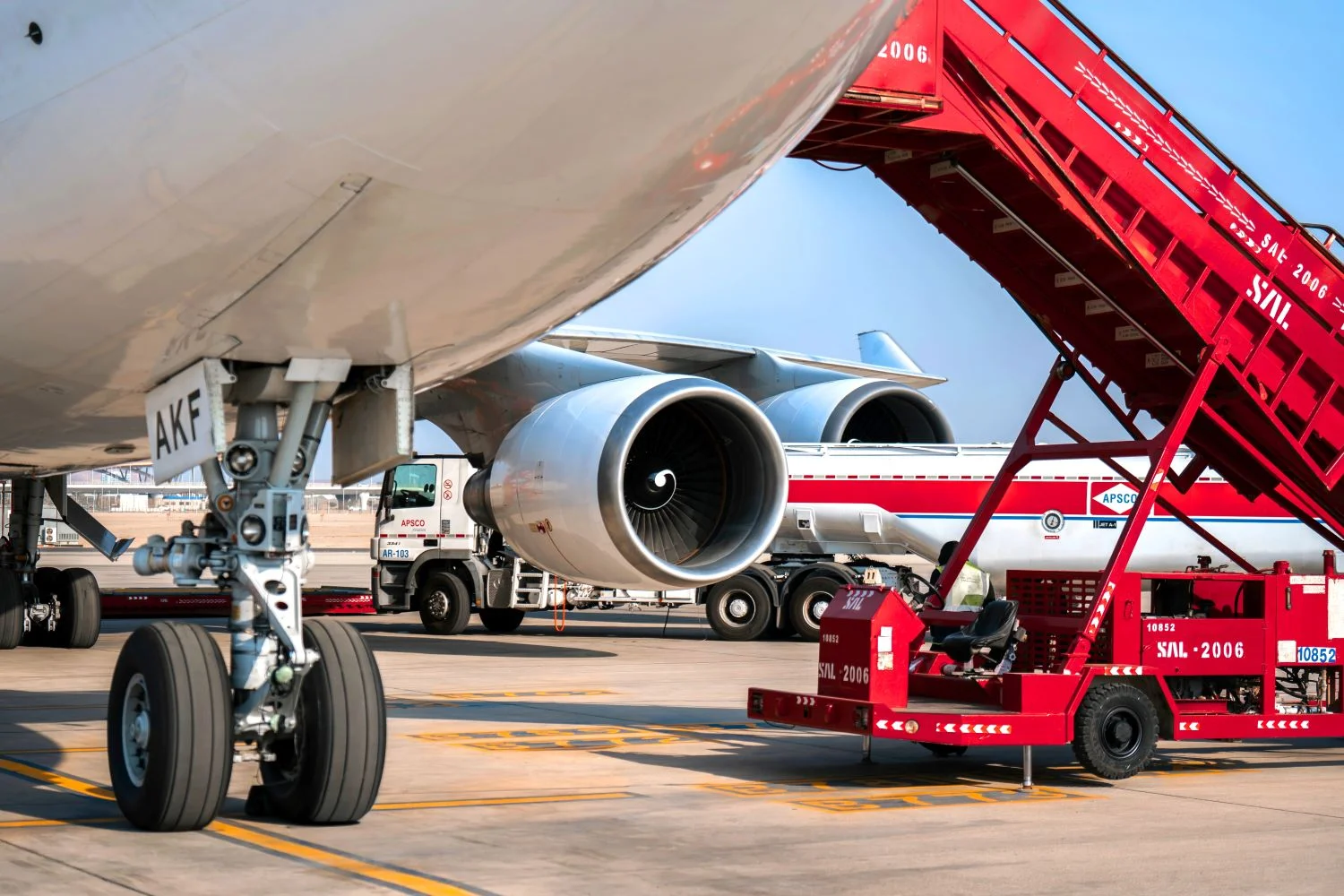
SAL operates the Kingdom’s largest air cargo handling footprint, with operations across 19 airports, including Saudi Arabia’s principal international gateways. This national platform supported cargo throughput of approximately 1 million tonnes during the year, providing resilience, flexibility, and proximity to key trade corridors.
In 2025, the focus remained on strengthening capacity within existing terminals while progressing targeted expansion at strategic locations. Rather than relying solely on footprint growth, SAL prioritized layout optimization, equipment upgrades, and process enhancements to improve effective throughput and reduce dwell times without compromising safety or service quality.
Terminal capacity expansion projects

King Khalid International Airport
King Abdulaziz International Airport
King Fahd International Airport
Prince Mohammed Bin Abdulaziz International Airport
These projects are expected to materially increase handling capacity and position SAL to absorb forecast market growth, with Saudi air cargo volumes projected to expand at double-digit rates over the coming years.
This structured deployment supports SAL’s objective of doubling handling capacity over the next several years while maintaining operational discipline.

Logistics Infrastructure
Scaling Warehousing, Fleet, and Distribution Capabilities
Infrastructure supporting SAL’s Logistics division provides the physical backbone for freight forwarding, contract logistics, distribution, and value-added services across air, sea, and land.
As at year-end 2025, SAL operated approximately 45,900 square meters of warehousing capacity, primarily concentrated in Riyadh and Dammam. To support structural growth in logistics demand, SAL is expanding both warehousing and fleet infrastructure. Planned additions include:
- 40,000 square meters at the SAL Logistics Malham Zone (Phase 1), with a further 20,000 square meters expansion pipeline
- 34,000 square meters at Jeddah Islamic Port, plus a targeted 20,000 square metres expansion
- Approximately 50,000 square meters of potential inorganic growth through joint ventures or acquisitions
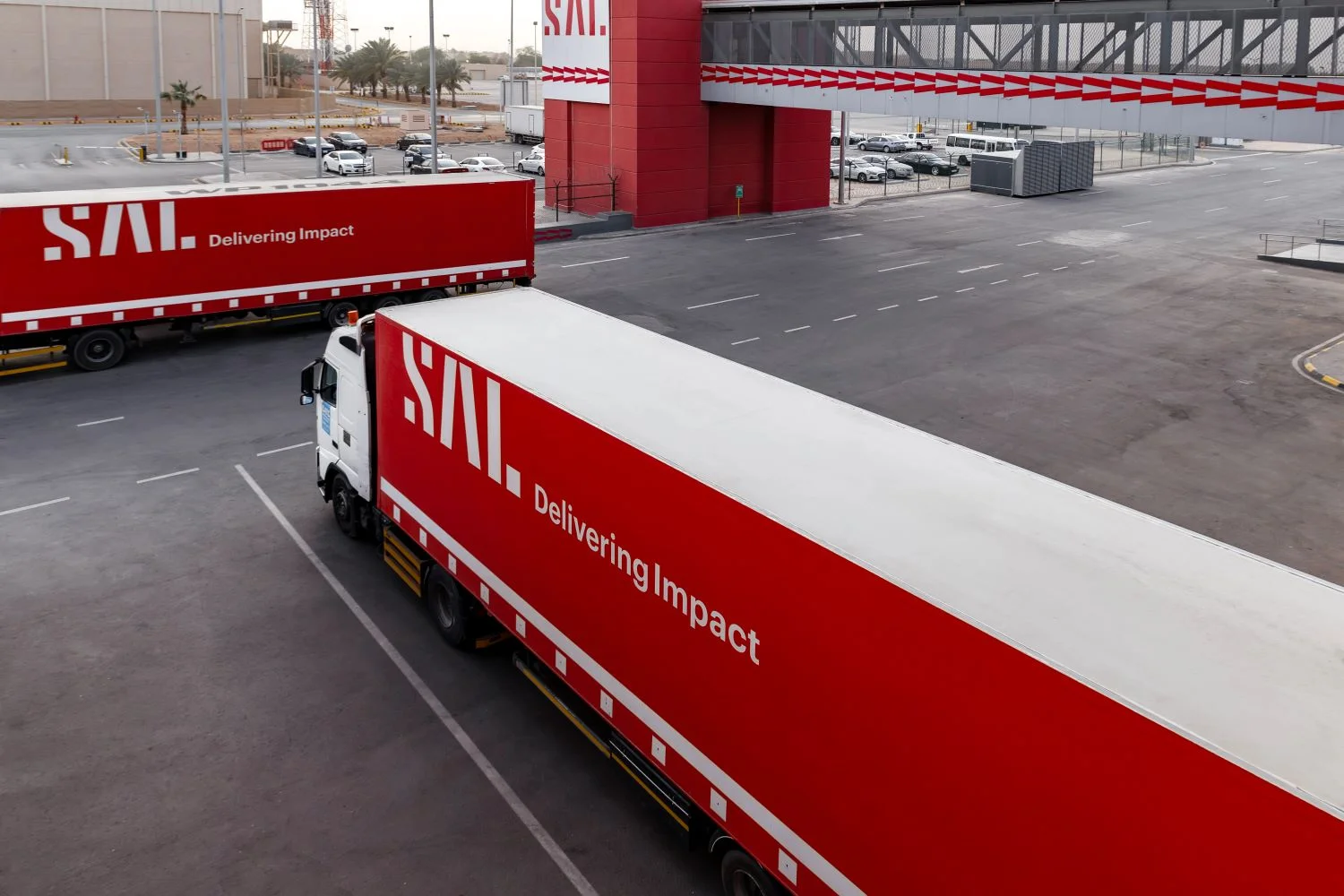
In parallel, the Company expects to expand its fleet by approximately 800 prime movers and 1,700 trucks by 2030, including everything from trailers and low beds to multi-axle trucks.
This coordinated expansion of warehousing, fleet, and logistics infrastructure strengthens SAL’s ability to capture demand from e-commerce, manufacturing, industrial diversification, and trade growth across the Kingdom.

SAL Logistics Zones Infrastructure
Transitioning from Concept to Early Delivery
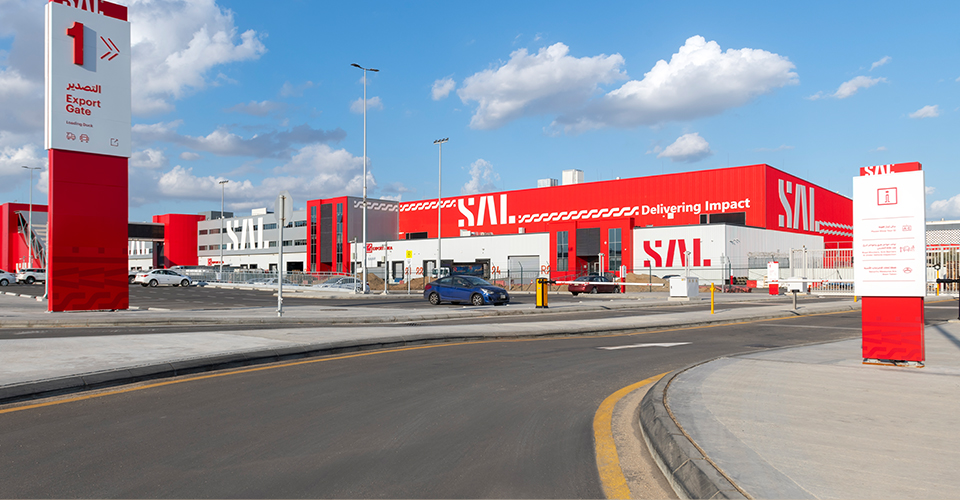
2025 marked the transition of SAL Logistics Zones from strategic concept to early-stage execution. Progress at the flagship SAL Logistics Malham Zone included completion of master planning, detailed design advancement, site preparation, regulatory engagement, and commercial discussions with prospective tenants. The SAL Logistics Zone is being developed as a large-scale, multi-tenant logistics ecosystem, integrating pre-built and built-to-suit facilities supported by shared infrastructure and services.
The capital program for this Logistics Zone totals approximately X 4.1 billion, deployed in a phased structure.
Executing the plan
Phased Development, following Clear Milestones
Executing the Plan: Clear CAPEX roadmap ensuring deployment readiness
| By Construction Cost/Type |
2025 X million |
2026 X million |
2027 X million |
2028 X million |
2029 X million |
2030 X million |
Total X million |
| Construction Costs – BTS | – | 277 | 364 | 251 | 500 | 425 | 1,817 |
| Construction Costs – Pre-build | – | 265 | 249 | 21 | 441 | 38 | 1,014 |
| Construction Costs – Other | 27 | 117 | 120 | 72 | 260 | 40 | 635 |
| Pre-Operating Costs | 25 | – | – | – | – | – | 25 |
| Infrastructure & Landscaping Costs | 19 | 216 | 39 | 130 | 173 | 18 | 595 |
| Total | 71 | 875 | 772 | 474 | 1,374 | 521 | 4,086 |
| By Phases |
2025 X million |
2026 X million |
2027 X million |
2028 X million |
2029 X million |
2030 X million |
Total X million |
| Phase 1 | 71 | 875 | 772 | 101 | 47 | 24 | 1,888 |
| Phase 2 | – | – | – | 373 | 1,327 | 497 | 2,198 |
| Total | 71 | 875 | 772 | 474 | 1,374 | 521 | 4,086 |
- Phase 1 (2025–2028) with peak spend in
2026–2027 of around X 1.9 billion across infrastructure, pre-built, and built-to-suit developments. - Phase 2 (2028–2030) with a larger spend profile around X 2.2 billion, reflecting the scale-up once Phase 1 is substantially occupied.
In total, this represents just over X 4.1 billion of CAPEX, but spread over six years, ensuring alignment with demand uptake and preserving financial flexibility.
This phased model ensures capital deployment is directly tied to leasing milestones, reducing vacancy risk and preserving financial flexibility.
Importantly, SAL Logistics has been positioned as an anchor tenant within the ecosystem, providing baseline utilization and supporting early operating momentum.
Capital Discipline & Funding Strategy
SAL’s capital allocation philosophy remains grounded in discipline, sequencing, and demand visibility. Pre-built facilities are deployed where demand is secured, supporting speed to market. Built-to-suit structures are utilized to enhance yields and tenant stickiness. This deliberate mix balances return optimization with risk mitigation.
Total capital expenditure increased meaningfully in 2025 to X 144 million, reflecting the initial acceleration of the investment program.
| Capital Expenditures (CAPEX) | 2025 | 2024 | Change |
| X 144 million | X 68 million | 113% |
To support the next phase of infrastructure scaling, SAL launched a SAR-denominated Sukuk Program in Q1 2026. This is to ensure that SAL:
- Diversifying funding sources
- Enhances long-term financial flexibility
- Preserves shareholder value through non-dilutive capital
- Aligns the capital structure with long-duration infrastructure assets
The Company is not front-loading leverage. Capital deployment is gated by customer commitments and phased execution, ensuring that balance sheet strength is maintained alongside growth.
Looking Ahead
SAL’s infrastructure program is designed to deliver more than physical expansion. It is intended to:
- Expand national cargo handling capacity
- Scale asset-backed logistics operations
- Build integrated logistics ecosystems
- Diversify earnings streams
- Strengthen recurring revenue visibility
By 2030, SAL’s physical infrastructure footprint will be materially larger, more diversified, and more integrated across the entire logistics platforms
Corporate Headquarters Relocation – From Vision to Execution
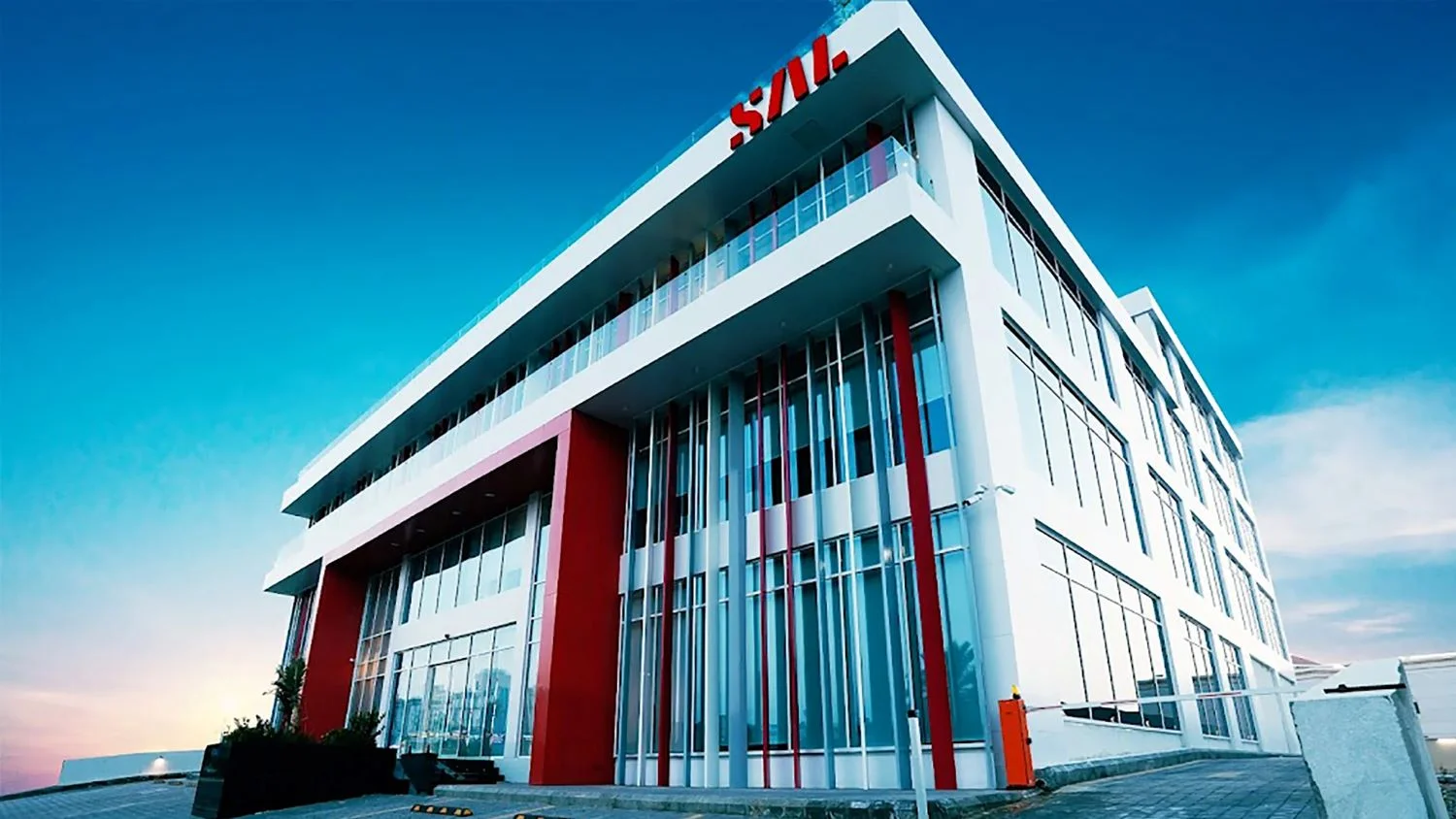
In 2025, SAL completed the relocation of its corporate headquarters in Jeddah, following the workplace transformation strategy initiated in 2024.
The new facility supports operational scalability, long-term cost efficiency, and improved cross-functional integration, ensuring that corporate capabilities evolve in parallel with the Company’s expanding physical infrastructure platform.
The Company’s headquarters was transferred from its previous location in Al-Salamah district to a new purpose-designed facility located on Prince Sultan Road, Al-Basatin District, Building No. 8628, Secondary No. 5000, Postal Code 23716, Jeddah, Kingdom of Saudi Arabia.
This relocation reflects SAL’s broader transition toward a more integrated, agile, and growth-ready organization, aligned with its long-term ambition to operate as a fully integrated logistics champion within the Kingdom.