




An Integrated Logistics Platform Connecting Sea, Air, and Land
SAL operates an integrated logistics platform connecting sea, air, and land corridors, linking global cargo flows to domestic and international markets. The platform combines gateway operations, multimodal transport, warehousing, and logistics infrastructure to enable efficient cargo movement across and beyond the Kingdom.
Through three complementary business units: Cargo Ground Handling, Logistics, and Logistics Zones, SAL converts cargo volumes into diversified, scalable, and infrastructure-backed revenue streams, supporting both near-term throughput and long-term value creation.
Three Engines.
One Integrated Logistics Platform.
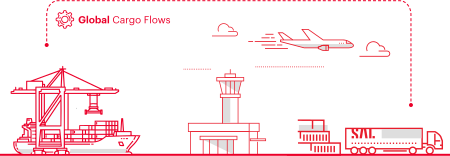
Sea


Logistics
Value Expansion Engine
Cross-modal services across sea, air, and land:
- Freight forwarding
- Contract logistics
- Project cargo
- Cold chain solutions

Air

Cargo Ground Handling
Gateway and Volume Engine
Airport-based operations delivering:
- Ramp handling
- Cargo handling
- Screening
- Cold chain handling
Land
Logistics Zones
Infrastructure Platform for Regional Expansion
Infrastructure across domestic and international locations:
- Multi-tenant hubs
- Highway and rail connectivity
- Recurring leasing.

Integrated Logistics Network
Cargo Gateway Leadership

Ground Handling
Cargo arrives at SAL-operated terminals across 19 airports in Saudi Arabia.
SAL provides

Aircraft ramp handling and cargo terminal operations
Screening, customs coordination and compliance management
Cold chain, pharma and specialized cargo infrastructure
Road Feeder Services (RFS) integration
SAL serves as the Kingdom’s primary air cargo gateway, handling general, valuable, perishable, pharma, dangerous goods, live animals, and e-commerce shipments.
The Cargo Handling division manages high-volume throughput, strong cash generation, and strategic control over cargo flows entering and exiting the Kingdom.
Seamless Multimodal Connectivity
Air to Road to Sea Integration
Leveraging its cargo ground handling scale, SAL enables seamless cargo transition across:
- SAL Airport terminals/facilities
- Seaports
- Dry ports/inland ports
- Cross-border gateways
- Domestic and international corridors
- Industrial and economic zones
Road Feeder Services and transport assets integrate air cargo into the wider logistics network, enhancing velocity, reducing dwell time and improving supply chain reliability.
Diversified End-to-End Logistics Solutions
Logistics
Building on its gateway advantage, SAL provides higher-value, recurring logistics services including:
- Freight forwarding and contract logistics
- Project and oversized cargo logistics
- Fine arts and high-value logistics
- Events and sports logistics
- Cold chain and hazardous materials handling
- E-commerce and specialized vertical logistics
- Record management and digitization
- Warehousing and value-added services
With an expanding warehouse footprint and capacity under its 2025–2030 plan, the SAL Logistics division enhances revenue diversification and margin resilience.
Infrastructure-Led Growth Platform
Logistics Zones
SAL is extending its platform into next-generation logistics zones designed to anchor long-term structural growth.
- Multi-tenant premium smart infrastructure
- Multimodal, built-to-suit: warehousing, storage
- Strategic proximity to airports and transport corridors (Sea, Air, and Land)
- Direct highway and future rail connectivity
- Turnkey regulatory and administrative support
- Digital and sustainability-enabled operations
Zones serve as an anchor platform for recurring leasing revenues and ecosystem expansion.
Digital Integration Across the Platform
Digital
Across all the Company’s divisions, SAL Digital plays a very important role to link all operational points into a unified logistics ecosystem:
- Real-time cargo visibility
- Customer portals and digital documentation
- Data-driven operational optimization
- Sustainability-linked efficiency initiatives
Digital integration strengthens scalability, improves service differentiation and enhances customer retention.